New Delhi: The commercial model that transformed cricket into one of the world’s biggest sporting properties is facing a new test. The BCCI, Indian cricket and the ICC are all confronting a tougher broadcast market, with renewal deals showing signs of stagnation. As the large gains from media rights deals with JioStar become harder to secure, cricket must look beyond the traditional broadcast-led model to find its next phase of growth.That raises bigger questions about the IPL’s global ambitions, the appeal of Indian cricket to international streaming platforms and the scope to build new revenue streams through technology, fan engagement and stadium experiences. What will it take for the IPL to evolve from a hugely successful domestic property into a truly global sports business? And can India translate cricket’s commercial success into a broader sporting economy?In a conversation with TimesofIndia.com, Tony Simpson, Partner and Sports & Entertainment Lead at global management consulting firm Oliver Wyman, shares his perspective on the opportunities and challenges facing the IPL and Indian sport. Simpson is part of the World Economic Forum’s push on shaping the global sports economy and consider India as “underdeveloped and with huge potential”.Drawing on his work at the intersection of sport, investment and business strategy, he discusses the limits of the current media-rights model, the importance of international reach and why governance, grassroots infrastructure and stronger investment frameworks will be crucial to India’s sporting ambitions.Excerpts:Q. How do you see cricket being perceived currently in the global sports economy from a business standpoint?Tony Simpson: Cricket, outside the NFL, is the largest media property in the world. Yet very few people recognise that. When people look at the global sports economy, they tend to think of American sports and football (soccer), while cricket is often placed alongside rugby and other sports.The reason is that cricket is so dominant in India. It has become almost synonymous with Indian sport, and people tend to look at the IPL as the defining property. The IPL has grown enormously, but cricket’s next phase of growth will have to come from international markets, not just India.
The IPL has grown enormously, but cricket’s next phase of growth will have to come from international markets, not just India. Those markets include North America, Europe, Australia and Asia. The IPL is the jewel in the crown because it brings together players from across these regions.
Tony Sinpson
Those markets include North America, Europe, Australia and Asia. The IPL is the jewel in the crown because it brings together players from across these regions. It needs to focus on product quality, reach and community-building. That means investing in production, entering the right markets and, in some cases, making the sport available free-to-air rather than chasing short-term revenue.Once it builds a global fanbase, cricket will be in a much stronger position to commercialise its appeal. It is also an extremely data-rich sport, with significant potential in gaming and fan engagement.The challenge, however, is the current governance structure of cricket. There are tensions between leagues and federations, established cricket nations are adjusting to a changing economic order, and the Caribbean faces the challenge of losing athletes to US scholarships because its development pathways are not sufficiently strong.

Where do most NFL players come from? The league’s top talent producing states revealed (Image via Pinterest: NFL logo)
Q. NFL is largely US centered. In the same way, cricket relies significantly on India. How do you grow in such a scenario?Simpson: It is a real tension, but the opportunity lies in exporting the domestic model globally. The Premier League is a good example: its international media rights are worth more than its domestic rights, even though its domestic deal is larger than that of any other European football league.The IPL can follow a similar path, but it needs to become the leading cricket destination globally. That means investing in production quality and entering markets where it can compete with established sports. In Africa, for example, football dominates.Cricket may need to use free-to-air distribution to build an audience in such markets. It also needs grassroots participation. IPL teams should establish academies and camps overseas, send players to engage with local communities and organise exhibition matches outside India.These efforts can bring in new fans and revenue, particularly in mature sports markets where the value of each fan engagement can be considerably higher. The Indian and South Asian diaspora in Europe, North America and Australia also represents a significant opportunity.This is the responsibility of the IPL, not the ICC. The ICC has to grow the game for everyone; the IPL has to build its own international presence.

(Photo by Justin Setterfield/Getty Images)
Q. For the Premier League, a huge chunk of the money comes from the broadcasting deal – international broadcasting rather than the domestic broadcasting deal. Whereas for the IPL, the biggest chunk of money comes from the domestic broadcasting deal. So when it comes to growing it, when it comes to learning from the other biggest big sporting leagues, what should the IPL learn from the Premier League?Simpson: Reliance on media rights is really the first phase in the commercial maturity of a sport. The real value for the IPL will come from stadium optimisation, content and community-building. There is a saying: broadcast makes the season, but the stadium, content and community make a business.That means creating better stadium experiences, premium seating and year-round events at venues. Licensing and merchandising also have considerable room to grow. The IPL needs stronger digital engagement and a better understanding of its fans: who they are, what they watch, what they buy and which teams they support.There is also an opportunity to monetise content beyond live matches, creating value for partners and sponsors. But this needs to be supported by grassroots development and academy pathways that bring new audiences into the sport.The IPL should not assume that broadcast revenue alone reflects the full value of the business. Much of its future growth will come from these other areas, which can also attract private equity and investor capital.
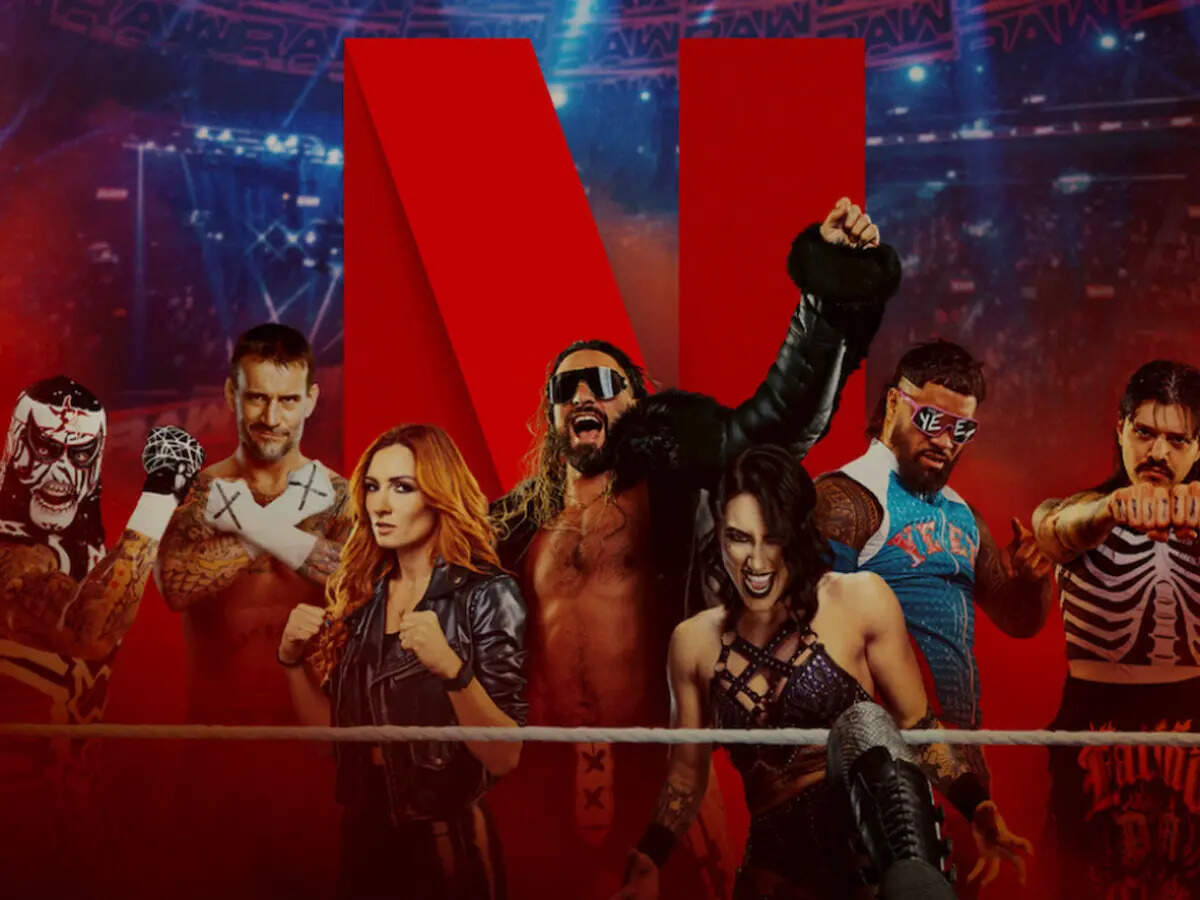
As the final WWE Raw before WrestleMania 42, this episode will play a crucial role in setting the stage for WWE’s biggest show of the year. (Image Credit: Netflix)
Q: Why have the likes of Netflix, Amazon, YouTube etc. stayed away from the IPL?Simpson: There are three key reasons. First, cricket is still largely a South Asian sport. The major streaming platforms tend to support properties with a global footprint because that is the audience they are looking to reach.The IPL currently over-indexes in India and under-indexes elsewhere. To change that, it needs a concerted strategy to grow as a global sport. That could mean free-to-air distribution initially, followed by premium content deals with platforms such as Amazon or Netflix.It also needs creative storytelling beyond matchdays. Formula One’s *Drive to Survive* is a good example of how content centred on athletes and teams can draw new audiences into a sport. You cannot simply take a sport into a new market and assume people will watch it, however good the product is.That is why the big streaming platforms are not putting the money on the table at present. The IPL is a brilliant asset, but it remains largely a single-market property.Q. But there’s still an opportunity for Netflix India, Amazon Prime India. Get the rights for the Indian market rather than the global package. Especially considering the market has shrunk from three major players to two major players.Simpson: The issue is that these platforms are buying visual real estate. If I am Netflix and I have global rights to the Champions League, NFL, NBA and Formula One, I can distribute those properties across markets.The cost of putting those sports on in India is only a fraction of what it would cost to acquire the IPL, but they still bring in viewers. The IPL, by comparison, is difficult to amplify beyond India.These platforms assess rights globally. If they can acquire several international sports properties for less than the cost of the IPL, that may make better commercial sense.

JioStar Q2 profit drops 13.2% to INR 1,147 crore as margins contract
Q. Speaking of bundles, JioStar, which currently has broadcast rights for the ICC, Indian cricket, the IPL, has the capacity to make bundles and sell to the consumer. Is that something that could dissuade the global streaming giants?Simpson: Technology, direct-to-consumer platforms and personalised fan experiences are the next growth phase for sport. In the subcontinent, mobile phones are central to how people communicate and consume content.One challenge for global platforms is that not everyone has access to 5G or unlimited data. Many people still use 2G, 3G and 4G networks, and data consumption can be expensive. Distribution strategies need to reflect those realities.There is an opportunity for India and South Asia to move towards a more personalised model of content distribution, working closely with telecom companies. Rather than simply broadcasting to everyone, platforms could use data to understand individual users and deliver content accordingly.That is where I see considerable potential, and where global platforms may not yet have the scale or distribution model to make their algorithms work effectively in the sports market.

New Delhi, Aug 30 (ANI): Participants cycle during the 88th edition of the Fit India ‘Sundays on Cycle’ program, organised in collaboration with BRICS on the occasion of National Sports Day at JLN stadium, in New Delhi on Sunday. (ANI Photo/Neeraj)
Q. If an international investor or a private equity firm wanted to invest in an Indian sport today, which segment would you suggest that they enter besides cricket?Simpson: The first consideration should be whether the sport has a governance structure robust enough to protect the investment. India is attractive because of its young population, energy and sheer size. But the main barrier to quality investment is the risk profile of the asset, particularly its governance.Investors need clarity on board terms and elections, professional management, long-term media deals, fan engagement and venue ownership. They also need confidence that the team and the organisation they are investing in will still be around in 10 years. These are the factors that make a sports asset investable.Football is one area where investors have tried to build a presence. But success depends on everything from federation governance to player pathways. A league cannot rely on importing players to sustain itself. It needs 12-year-old boys and girls who aspire to play for their local teams.

Broadcaster JioStar is seeking an up to 50% cut in the Pro Kabaddi League’s next media rights fee, while franchise owners push to protect the Rs 905 crore benchmark set in the previous cycle.
Q. A lot of leagues have tried to replicate the IPL. In terms of format, in terms of marketing, but can a one-size fits all approach be possible?Simpson: You cannot simply replicate the IPL. It is a behemoth and the world’s most valuable professional cricket league. Other sports need to develop their own grassroots systems and talent pathways.The franchise model also needs genuine market demand. A franchise is worth only what someone is prepared to pay for it. Scarcity is important, too. One reason IPL valuations are so high is that the number of franchises is limited.If someone can set up another franchise in the same sport around the corner the next day, where is the value for an investor? Leagues need governance structures that provide clarity on how many franchises can exist, how the competition will operate and what the long-term investment framework looks like.
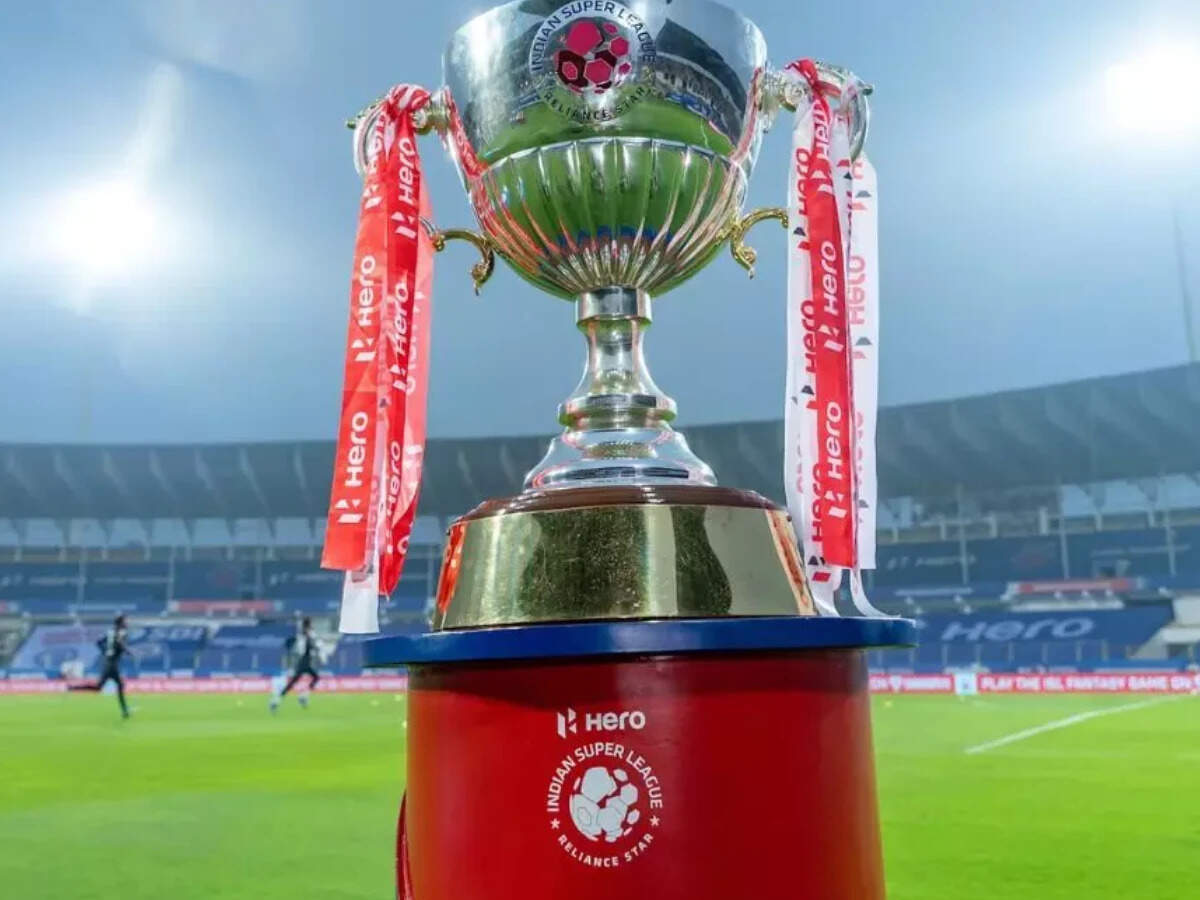
Indian Super League trophy (Pic credit: ISL)
Q. Sepp Blatter called India a sleeping giant in 2007. 19 years later, we have a huge young population. What’s one thing that India needs to get right over the next decade to become a global sporting economy?Simpson: You cannot build a major sports economy without a pipeline of willing athletes. That starts with children wanting to play sport and having access to local tracks, stadiums and pitches in safe environments.You also need qualified coaches and volunteers, as well as investment from cities and governments. Sport has to become a national priority. That would improve health and educational outcomes, but it also needs to become part of the country’s culture. This cannot happen in one generation.A report we produced last month found that 49 per cent of under-30s in India are physically inactive by World Health Organisation standards. You cannot have a statistic like that and expect to build a sports-focused economy.The priority over the next decade should be to ensure that every child is within about a mile of a safe place to play a sport they enjoy, with access to coaches and proper facilities. That needs a clear strategic plan and government commitment.
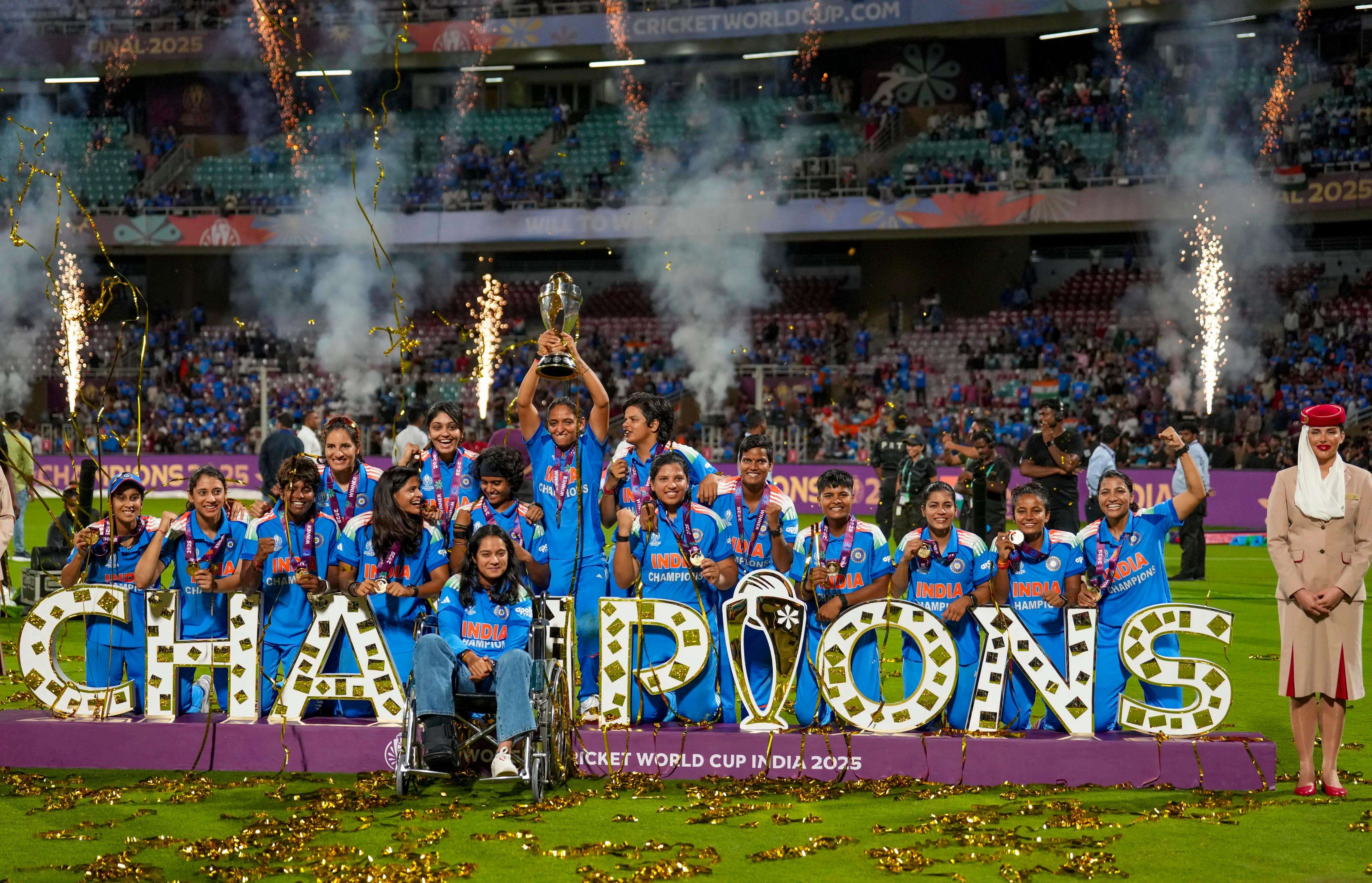
Q. Is there an aspect that remains largely unexplored in the Indian sporting ecosystem?Simpson: Women’s sport is one of India’s biggest opportunities. The Women’s World Cup was probably the most-viewed women’s sporting event in the world. While cricket competes with American sports and football for attention, women’s sport could become one of the biggest sporting properties globally in the near future.South Asia may not fully recognise the scale of this opportunity, but it is a huge asset. Women’s sport is empowering and can drive social cohesion in a way few other things can.
Women’s sport is one of India’s biggest opportunities. South Asia may not fully recognise the scale of this opportunity, but it is a huge asset. Women’s sport is empowering and can drive social cohesion in a way few other things can.
Tony Simpson
Q. FIFA has their own broadcasting platform. As does the NBA, NFL, NHL, MLS. The BCCI had that idea at one point but nothing came of it. Are they leaving money on the table?Simpson: In many ways, yes. It comes back to international reach and the way people consume media in India. There is not enough aggregated data on fans: who is watching, how much they spend, where they watch and when they watch. That information is important for streaming platforms and advertisers.Indian cricket needs a clear data and digital strategy. It should also look at international markets, where sports consumption models are more mature.For example, an IPL Pass that allows fans in Australia or the Caribbean to watch a limited number of matches each year could attract considerable interest. There is an opportunity to build more direct relationships with fans and generate revenue that is currently being missed.