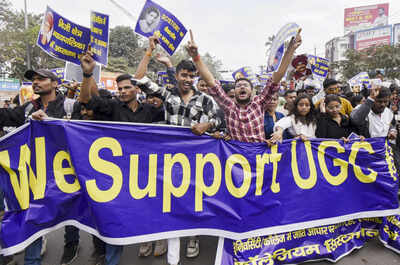
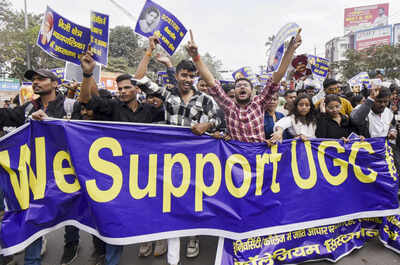
Efforts to institutionalise safeguards against caste-based discrimination in higher education have run into a legal hurdle, triggering fresh mobilisation on campus. The UGC Equity Regulations 2026 — framed as a mechanism to strengthen accountability and protect marginalised students — are currently on hold following a judicial stay. According to PTI, student groups say the pause has stalled a long-awaited reform that emerged from years of sustained campus movements.Following this, hundreds of students marched across Delhi University’s North Campus on Tuesday under the banner of an “Equity March”, demanding immediate implementation of the regulations. The protest, organised by the All India Students’ Association (AISA) along with other groups, concluded with a public meeting and a renewed call for statutory backing through the proposed ‘Rohith Act’. Here’s how the issue unfolded and where it stands now.
What are the UGC Equity Regulations 2026?
The UGC Equity Regulations 2026 were framed as a policy mechanism to address caste and identity-based discrimination within universities and colleges. They are intended to strengthen institutional accountability and create safeguards for students from Scheduled Castes (SC), Scheduled Tribes (ST) and Other Backward Classes (OBC).Students participating in the march described the regulations as the outcome of sustained mobilisation across campuses in recent years. According to PTI, protesters argued that these guidelines are not routine procedural changes but essential protections meant to ensure redressal and institutional responsibility.
What triggered the protest at DU?
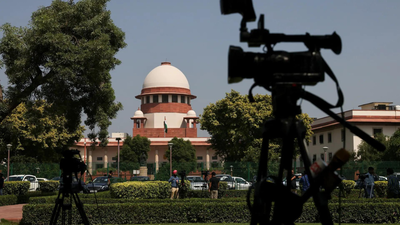
The immediate trigger was a judicial stay on the implementation of the regulations. Students said the pause has effectively delayed a framework that many believed would bring stronger oversight in cases of discrimination.On Tuesday, demonstrators gathered in North Campus carrying placards and raising slogans. The march passed through key campus points before culminating in a public meeting. As reported by PTI, speakers at the gathering described the stay as a setback in efforts to secure meaningful safeguards for marginalised students.Former JNUSU president Nitish, addressing the crowd, said the regulations were the result of years of struggle and called for their full implementation.
Why is the ‘Rohith Act’ central to the demand?
The protest also revived the demand for a central legislation often referred to as the ‘Rohith Act’. The proposed Rohith Vemula Act seeks to establish a national legal framework to prevent caste and identity-based discrimination in higher education institutions.The proposed law is named after Rohith Vemula, a University of Hyderabad scholar who died by suicide in 2016, allegedly following caste-based discrimination. According to PTI, protesters linked the current regulations to the broader demand for statutory backing so that anti-discrimination safeguards carry legal force.
What happens next?
For now, the judicial stay means the UGC Equity Regulations 2026 remain on hold. Student groups have described Tuesday’s march as a warning against any dilution or delay of equity measures.The public meeting concluded with a call for continued mobilisation until the regulations are implemented and supported by law. According to PTI, organisers made it clear that the agitation would continue if there is no progress on the issue.With the matter now tied to legal proceedings and renewed campus mobilisation, the debate over equity safeguards in higher education appears set to intensify in the coming weeks.